On this page
Nebulised epinephrine (adrenaline) is indicated in severe acute laryngotracheobronchitis (in combination with dexamethasone by IM injection).
It must be prescribed by a doctor and should only be repeated on medical prescription.
16.1 Dosage
0.5 mL/kg/dose (using 1 mg/mL ampoule). Do not exceed 5 ml of nebulised epinephrine.
See table.
16.2 Equipment
- Epinephrine, 1 mg/mL ampoule(s)
- 0.9% sodium chloride, if necessary
- Nebuliser + electric air compressor
- Clean tray
- Single patient equipment: paediatric mask + tubing
- 5 mL syringe + 19G needle, single use
16.3 Technique
Aerosol preparation (just before use)
- Verify the prescription: name, prescribed dose, concentration of epinephrine in the ampoule.
- Prepare the equipment.
- Wash hands with soap and water or disinfect them with an alcohol-based solution.
- Open the nebulizer.
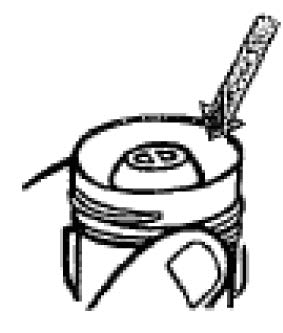
- Using the syringe, place the prescribed amount of epinephrine in the lower part of the nebulizer.
- Add enough 0.9% sodium chloride to obtain a total volume of 4 to 4.5 ml in the medicine cup.
Nebulised epinephrine dose by age or weight (0.5mL/kg, max. 5 mg)
| Age | 1 month | 2 months | 3 months | 4-6 months | 7 to 9 months | 10 to 11 months | 1 to 4 years | > 4 years |
|---|---|---|---|---|---|---|---|---|
| Weight | 4.5 kg | 5 kg | 6 kg | 7 kg | 8 kg | 9 kg | 10 to 17 kg | > 17 kg |
| Epinephrine (1 mg/ml amp.) | 2 mL | 2.5 mL | 3 mL | 3.5 mL | 4 mL | 4.5 mL | 5 mL | 5 mL |
| 0.9% NaCl to be added | 2 mL | 2 mL | 1 mL | 1 mL | – | – | – | – |
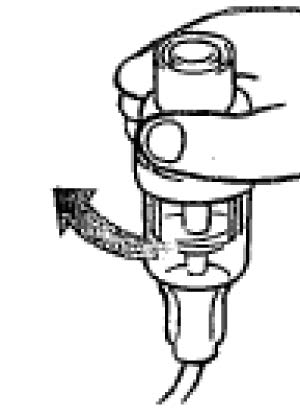
- Screw the top of the nebulizer back on.
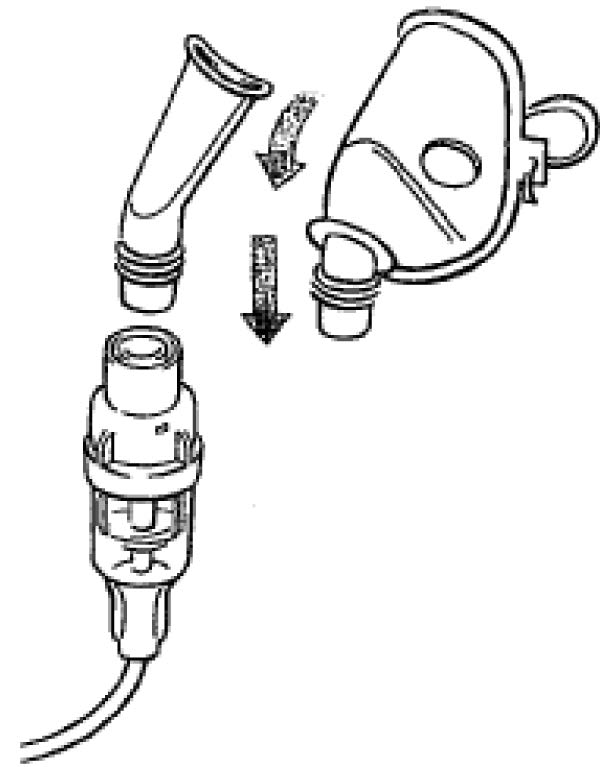
- Connect the nebulizer to the mask.
- Dispose of sharps in a safety box
Administering the aerosol
- Explain the procedure to the child and the person accompanying him: the inhalation lasts about 10 minutes; keep the mask on and breathe slowly and deeply the entire time.
- Have the parents hold the child in a half-seated position.
- Clear the nose, if necessary.
- Attach the tubing to the compressor.
- Start the compressor. Make sure there is mist coming out of the mask.
- Place the mask over the child’s mouth and nose; secure it in place with the strap.
- The inhalation should last no longer than 10 to 12 minutes. Stop the compressor after 10 to 12 minutes (or sooner, if all of the medicine has been nebulised).
- Wash hands with soap and water or disinfect them with an alcohol-based solution.
- Record the procedure in the patient’s chart.
Monitoring
- Before nebulization: heart rate, respiratory rate and, if possible, SpO2
- During the nebulization and for 4 hours afterward:
- General condition, level of consciousness, respiratory rate, and SpO2
- Signs of improvement: decreased stridor and improvement in ventilation, level of consciousness and SpO2
- Alert the doctor in case of pallor, tachycardia, arrhythmia, or drop in SpO2 (< 90%)
- Record the monitoring data in the patient’s chart
16.4 After using the equipment
- Discard the tubing and mask
- Disassemble the nebulizer and clean all of the parts in soapy water, taking care not to damage the jet (do not use a brush).
- For equipment maintenance (jet, compressor air filter), refer to specific protocol